
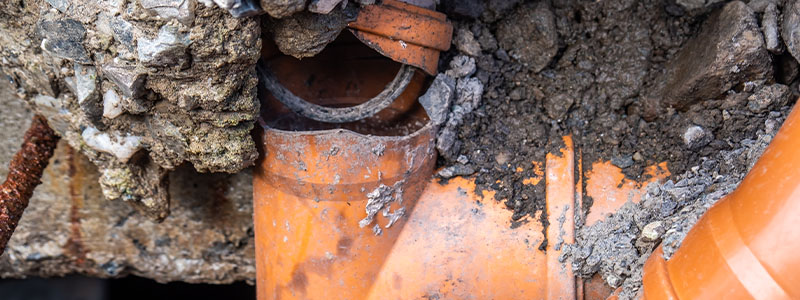
Why Tree Roots Are Drawn to Your Plumbing
Tree roots naturally search for moisture, and underground plumbing becomes an easy target. Soil dries out at different speeds throughout the year. However, the moisture inside pipes remains steady. As a result, roots grow toward that consistent source even when the pipe is several meters away. Tiny hair-like roots spread through the soil first, and in other words they behave like sensors trying to locate water. Once they sense humidity around a pipe joint or crack, they begin directing growth straight toward it. Canadian Drains sees this pattern often in older neighborhoods where mature trees stand close to sewer lines.
Small Cracks Become Entry Points
Pipes rarely fail all at once. Instead, small weaknesses develop over time. Shifts in the ground, aging materials, or pressure changes create micro-cracks or tiny gaps along pipe joints. Consequently, moisture escapes into the soil. Roots detect this moisture almost immediately. That is to say, even the smallest crack is enough to attract them. Once roots reach the pipe surface, they push into the opening and anchor themselves. On the other hand, many homeowners assume their pipes must be severely damaged for roots to enter, but even a hairline gap is enough. Canadian Drains finds that most root blockages begin from openings too small to notice during a normal inspection.
How Roots Expand Once Inside
Hair-thin roots fit easily into small openings. Meanwhile, once inside, they grow thicker because the environment becomes ideal: constant water, nutrients from wastewater, and no competition. Subsequently, the thin root turns into a woody mass and spreads along the length of the pipe. Over time it forms a dense network that catches debris flowing through the line. Food scraps, paper, and grease get trapped in the expanding root system. As a result, the pipe begins to clog gradually rather than suddenly. Canadian Drains often discovers roots stretching several feet inside the line even when the original entry point was tiny.
Seasonal Growth Accelerates the Problem
Root growth speeds up during certain times of the year. Spring and early summer encourage aggressive expansion due to warmth and moisture. Likewise, drought conditions make roots seek water even more urgently. During these periods they become more persistent, growing farther and faster toward underground pipes. After that, once roots enter the line, seasonal changes can make the blockage worse by stimulating sudden bursts of growth. Canadian Drains notices that many severe backups appear shortly after heavy rains or long dry spells because roots react strongly to both extremes.
Early Warning Signs Homeowners Often Miss
Blocked toilets, slow drains, and gurgling sounds are common indicators. However, many early signs appear outside the house. For example, unusually green patches of grass can suggest roots are feeding off leaking pipes. Small sinkholes in the yard may also indicate pipe damage. In addition, random sewage odors near the property line can point to a root intrusion. Most importantly, these signs usually show up long before major backups occur. Canadian Drains encourages homeowners to watch for these clues so repairs can happen early and prevent costly damage.
How to Prevent Tree Roots from Entering Pipes
Several simple steps reduce the risk of intrusion. Firstly, avoid planting trees with aggressive root systems near sewer lines. Species like willow, poplar, and maple spread quickly. Secondly, schedule routine inspections to detect early cracks or movement in underground pipes. Moreover, professional root barriers can be placed between trees and sewer lines to redirect growth away from the plumbing. Installing modern pipe materials like PVC also helps because they offer tighter joints and better durability. Canadian Drains recommends periodic maintenance to keep small issues from becoming major problems.
What Professionals Do When Roots Take Over
Once roots invade the pipe, specialized tools are needed. Mechanical cutters remove thick root masses that block the line. After that, hydro-jetting flushes out remaining debris and clears the pipe interior. In some cases, cameras are used to inspect the damage and identify every entry point. If the pipe is badly weakened, trenchless repair methods can replace or reline the damaged sections without digging up the yard. Canadian Drains uses these modern solutions to restore flow safely and effectively. In conclusion, understanding how roots get inside and how quickly they grow helps homeowners stay ahead of costly repairs and protect their plumbing system.