
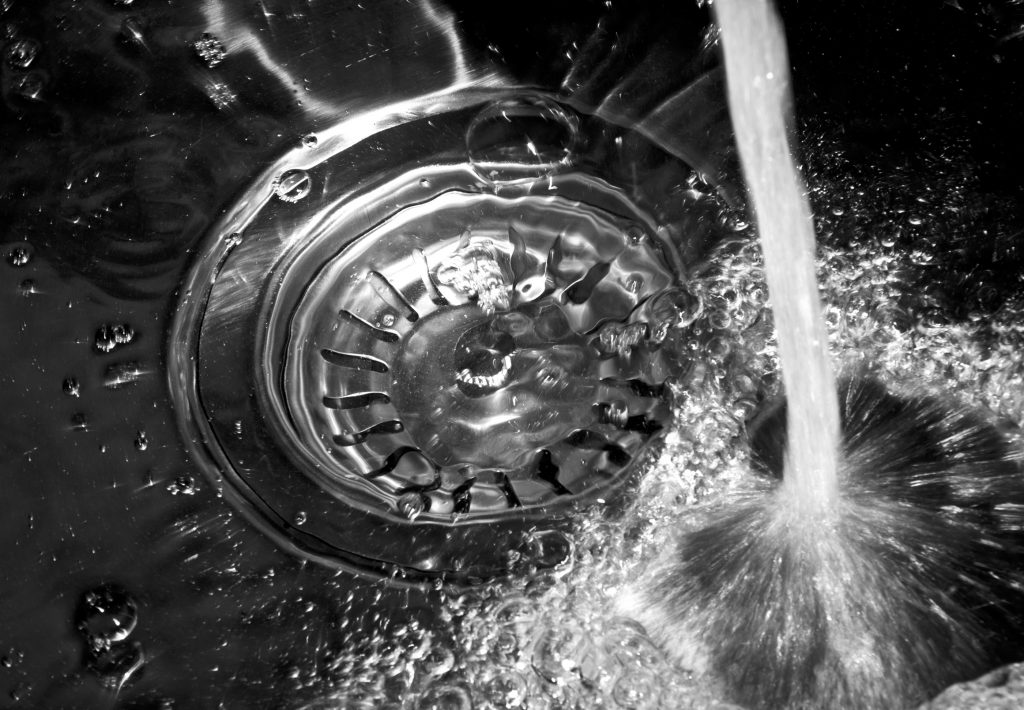
A kitchen sink that drains fast at first and then suddenly slows down can feel confusing. At first, everything looks normal, however the problem quickly becomes noticeable during regular use. This pattern often points to a developing blockage deeper in the drain system rather than a simple surface clog.
At Canadian Drains, this type of issue is one of the most common situations we handle. Therefore, understanding why it happens helps homeowners act early and avoid larger plumbing problems.
Why Water Starts Fast Then Slows Down
When water initially drains quickly, it usually means the top portion of the pipe is still clear. However, as more water flows through, it begins to reach a partially blocked section further down the line. As a result, drainage slows because water cannot pass through as efficiently.
This situation often happens when grease, food particles, and soap residue build up over time. At first, small amounts of water move past the blockage easily. However, once a larger volume flows through, the restriction becomes more noticeable and slows everything down.
In other words, the pipe is not fully blocked yet, but it is getting there. That is why the problem seems inconsistent at the beginning.
Common Causes Behind This Drain Behavior
There are several reasons why your kitchen sink behaves this way. Firstly, grease buildup is one of the biggest causes. When grease cools, it hardens and sticks to the pipe walls, gradually narrowing the passage.
Secondly, food debris can collect in certain sections of the pipe. For instance, small particles may not cause a blockage immediately, however they accumulate over time and create resistance.
Moreover, improper pipe slope or minor pipe damage can also contribute. In addition, older plumbing systems may have rough interior surfaces that allow debris to stick more easily.
If the issue continues, it may extend beyond the kitchen. Therefore, checking other drains or scheduling a professional drain cleaning in Calgary can help confirm the exact cause.
How the Problem Develops Over Time
At the beginning, the drain may only slow occasionally. Meanwhile, homeowners often ignore the issue because it seems minor. However, the buildup continues to grow inside the pipe.
After that, the slowdown becomes more frequent and noticeable. Eventually, water may start pooling in the sink, especially during heavy use. As a result, everyday tasks like washing dishes take longer and become frustrating.
In the same vein, pressure builds behind the blockage. This can lead to unpleasant odors or even cause water to back up into other fixtures. Therefore, early action is always the best approach.
Signs You Should Not Ignore
Recognizing early warning signs helps prevent serious plumbing issues. Firstly, listen for gurgling sounds when water drains. This often indicates air trapped due to a partial blockage.
Secondly, watch for water rising briefly before draining. For example, if the sink fills slightly and then slowly empties, it is a clear sign of restriction.
Moreover, if other drains such as the bathroom sink or tub begin to show similar behavior, the issue may be deeper in the system. In such cases, services like bathroom drain cleaning Calgary can help address connected problems.
Above all, unpleasant smells coming from the drain should not be ignored. These odors often come from trapped organic material inside the pipes.
How We Diagnose the Issue
Finding the exact cause requires more than guessing. At Canadian Drains, we start by assessing how the drain behaves under different conditions. Therefore, we can identify whether the problem is localized or part of a larger system issue.
In more complex cases, we may recommend a detailed inspection using tools like sewer camera inspection Calgary. This allows us to see inside the pipes and locate the blockage precisely.
That is to say, instead of treating symptoms, we focus on identifying the root cause. As a result, repairs become more effective and long-lasting.
Practical Solutions for Lasting Results
Once the issue is identified, the next step is proper cleaning. Simple home remedies may provide temporary relief, however they rarely solve deeper buildup.
Professional cleaning methods remove grease, debris, and residue from the entire pipe. Consequently, water can flow freely again without slowing down halfway through.
In addition, regular maintenance helps prevent future issues. For instance, avoiding grease disposal and using strainers can reduce buildup significantly.
If the problem extends beyond the kitchen, addressing related systems such as toilet drain cleaning Calgary may also be necessary. This ensures the entire drainage network works smoothly.
Preventing Future Drain Slowdowns
Prevention is always easier than repair. Firstly, avoid pouring oils and grease down the sink. Instead, dispose of them properly to prevent pipe buildup.
Secondly, rinse the sink with hot water after heavy use. This helps move small particles through the system before they settle.
Moreover, periodic inspections can catch early signs of blockage. You can also learn more about proper maintenance practices by visiting the about our drainage services page.
In conclusion, small habits make a big difference in keeping your drainage system working efficiently.
FAQs
Why does my sink drain fast at first but then slow down?
This usually means there is a partial blockage deeper in the pipe. Therefore, water flows normally at first but slows once it reaches the restricted area.
Can I fix this issue with store-bought drain cleaners?
Chemical cleaners may provide temporary relief. However, they often fail to remove heavy buildup and can damage pipes over time.
How do I know if the blockage is serious?
If the slowdown happens frequently or affects multiple drains, it may indicate a larger issue. Consequently, professional inspection is recommended.
Is this problem related to my main sewer line?
In some cases, yes. Especially if multiple fixtures are affected. Therefore, a camera inspection can help confirm whether the main line is involved.
How often should I clean my kitchen drain?
Regular maintenance every few months is ideal. In addition, households with heavy usage may benefit from more frequent professional cleaning.