
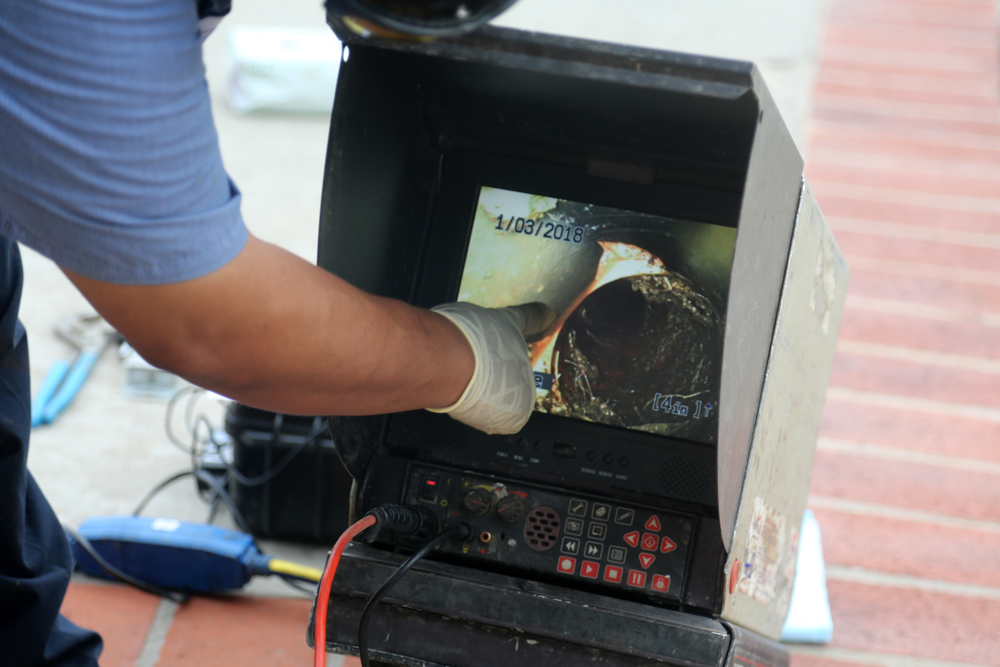
Canadian Drains uses a sewer camera inspection to turn hidden pipe problems into a clear, visible answer for Calgary homeowners. Buried drain lines are impossible to judge from the surface, so guessing leads to repeated work and wasted effort. A camera sends a live feed from deep inside the pipe straight to a screen. This guide explains what the tool reveals, when it is worth booking, and how it saves you from surprises. You will see why a look inside often beats a blind repair.
Why You Cannot Fix What You Cannot See
A drain line runs underground and out of sight. When it slows or backs up, the cause could be roots, grease, a crack, or a sag. Each of those needs a different fix.
Without a look inside, a technician is working from symptoms alone. That can mean clearing a blockage that returns because the real cause was never found. A camera removes the guesswork in minutes.
Calgary’s older neighbourhoods make this even more valuable. Mature trees and aging clay pipe are common, and both hide problems that only a lens can confirm.
Why Guesswork Rarely Ends the Problem
Trial-and-error repairs waste time and effort. Each blind attempt risks clearing the wrong spot or missing a crack that keeps the trouble alive. The pipe stays a mystery, and the same backup returns.
A quick look inside changes that. Instead of repeating visits and hoping, you get one clear diagnosis and a plan that fits the actual damage. Certainty is the real value a camera delivers.
What a Sewer Camera Inspection Reveals
The footage tells a story that surface symptoms cannot. Here are the conditions the camera brings into full view.
- Tree roots pushing through joints and cracks
- Grease and sludge narrowing the pipe walls
- Cracks, holes, or collapsed sections
- Sagging pipe where water and debris collect
- The exact location and depth of a blockage
Seeing these clearly means the plan matches the problem. A focused sewer camera inspection replaces a frustrating trial-and-error approach with a single, targeted solution.
The footage also shows what is not wrong. Ruling out a collapsed pipe or major root mass is just as useful as finding one. It lets you choose a simple clearing with confidence instead of bracing for the worst.
How a Sewer Camera Inspection Works
The process is clean, quick, and easy to follow on screen. Nothing about it disturbs your yard. The table below outlines what to expect.
| Step | What Happens | What You Gain |
|---|---|---|
| Access | The camera enters through a cleanout or fixture | No digging to look inside |
| Travel | The lens moves along the pipe on a flexible rod | A live view of the whole run |
| Review | You watch the footage and get an explanation | A clear understanding of the issue |
| Locate | A signal pinpoints depth and position | Precise planning for any repair |
Because you watch it happen, there is no mystery about the recommendation. The footage is the evidence, and it guides every decision that follows. It is a rare moment in home repair where the problem is proven rather than described.
You stay in control the entire time. Nothing is hidden behind technical jargon, because the screen shows exactly what the technician sees. That transparency is why so many homeowners feel more confident after an inspection than before it.
Pairing Inspection With the Right Repair
A camera view often leads straight into a targeted clearing. When roots or grease are the culprit, a focused main sewer line clearing service removes the obstruction the footage revealed. Seeing the cause first makes the fix faster.
There is no wasted motion when the diagnosis is clear. The technician arrives knowing where the blockage sits and what tool it demands. That focus keeps the visit short and the outcome reliable.
You can also see a real example of what the footage uncovers in our breakdown of what the camera reveals inside a pipe.
When to Book a Look Inside
Certain situations make an inspection especially smart. Recurring backups, a home purchase, or a yard full of mature trees all qualify. In each case, a factual view saves stress and repeat work later.
New homeowners gain the most from an early look. You inherit whatever the previous owner left behind, and a buried line keeps its secrets well. A single inspection turns an unknown into a documented, manageable part of the property.
Getting the Most From Your Inspection
A sewer camera inspection delivers the most value when paired with good record-keeping and timing. A few habits stretch that value further.
- Keep the footage and notes for future reference
- Schedule a look before major landscaping near the line
- Act on early findings before a small issue grows
- Combine an inspection with a routine clearing when due
Timing the inspection well multiplies its value. A look taken before a problem turns urgent gives you room to plan on your own terms. A look taken during a backup still helps, but it works under more pressure.
Industry estimates suggest a large share of repeat sewer problems trace back to causes that a single inspection would have caught early. Home maintenance authorities such as the Canada Mortgage and Housing Corporation offer broader guidance through their national housing resources. Prevention almost always beats an emergency dig.
Frequently Asked Questions
What can a sewer camera inspection actually show?
A camera reveals the true condition inside your pipes: root intrusion, cracks, sagging sections, grease buildup, and the exact spot of a blockage. It replaces guesswork with a clear picture. That means the right fix the first time instead of repeated attempts.
Is a camera inspection worth it before buying a home?
For older Calgary homes it often is. Buried pipes are impossible to judge from the surface, and repairs can be disruptive. A short inspection gives you a factual view of the line’s condition before you commit.
Will the inspection disrupt my yard or floors?
No. The camera enters through an existing cleanout or a fixture opening, so there is no digging to look inside. Any digging only happens later, and only if a confirmed repair calls for it. The inspection itself is clean and contained.
How long does a typical inspection take?
Most residential inspections take well under an hour once the access point is located. You see the footage as it happens and get a plain explanation of what it shows. That clarity helps you plan any next step with confidence.
Contact Canadian Drains
Have a drain that will not cooperate? Reach the local team directly and book a visit that fits your day.
- Phone: (403) 618-3752
- Address: 119 Mt Copper Park SE, Calgary, AB T2Z 2K1
- Hours: Open 24 hours a day, 7 days a week