
The Dreaded Slow Drain: Understanding the Root Causes (Canadian Drains)
A slow-draining bathroom sink, shower, or tub is more than just an annoyance—it’s often a sign that a clog is forming or that there’s a deeper issue in your plumbing system. At Canadian Drains, we’ve seen it all. Understanding the most common culprits is the first step toward prevention and effective maintenance.
Here are the top reasons your bathroom drains might be moving at a snail’s pace:
1. The Hair and Soap Scum Tango
This is, by far, the most frequent offender, especially in shower and tub drains.
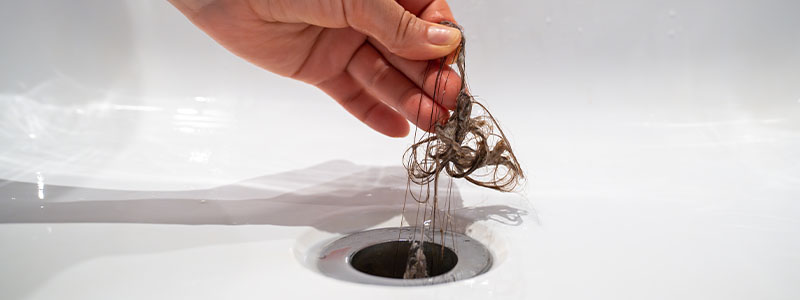
- Hair: Every time you wash your hair, strands go down the drain. They easily catch on the drain stopper mechanism, internal pipe roughness, or cross-hatches in the drain opening. Over time, these strands accumulate to form a dense, woven mat.
- Soap Scum: Modern soaps and shampoos often contain fats and grease. These substances combine with hard water minerals (calcium and magnesium) to create soap scum, a sticky film that coats the inside of your pipes. The sticky film acts like flypaper, capturing the hair and accelerating the clog formation.
- The Problem: The hair/scum mixture creates a tough, almost impenetrable barrier that significantly restricts the flow of water.
2. Personal Care Product Overload
Many products we use daily are not meant to be flushed or washed down the drain, despite their liquid consistency.
- Dental Floss & Cotton Swabs: These items are absolutely non-biodegradable and are primary causes of blockages further down the line, often catching and accumulating other debris.
- Facial Scrubs & Moisturizers: Some exfoliating beads and thick creams contain ingredients that solidify or congeal when cooled by the drain water, creating waxy obstructions in the P-trap (the U-shaped pipe under the sink).
- Shaving Cream/Gel: While mostly water-soluble, their thick nature can sometimes contribute to the general buildup, especially when mixed with fine stubble.
3. The Forgotten Drain Stopper and P-Trap
The components designed to keep clogs out can become the problem themselves.
- Pop-Up Drain Assembly (Under the Sink): The stopper mechanism in your bathroom sink has a horizontal rod called a clevis that passes through the vertical lift rod. The pivot point where the rod enters the drain pipe is a prime spot for hair and grime to catch. This is often overlooked and can become severely clogged before the pipe itself.
- The P-Trap: This U-shaped section of pipe is designed to hold a small amount of water to prevent sewer gases from entering your home. While helpful, it’s also where gravity collects heavier items that make it past the drain opening. If your drain is only slow, the clog is likely here or slightly beyond.
4. Pipe Deterioration and Mineral Buildup (Scaling)
If your home has older plumbing, the slow drainage might be structural.
- Aging Pipes: Over decades, cast iron or galvanized steel pipes can corrode and rust. This rough, uneven interior surface creates many more anchor points for hair, grease, and soap scum to stick to, essentially shrinking the diameter of the pipe over time.
- Hard Water Minerals: Homes with hard water often experience scaling. Calcium and magnesium deposits cling to the pipe walls, which, similar to corrosion, reduces the pipe’s effective size. This is a slow, gradual process that results in progressively slower drainage until a full blockage occurs.
5. Hidden Main Sewer Line Issues
While less common for just the bathroom, a main line problem can manifest as a slow drain.
- Tree Root Intrusion: Tree or shrub roots seeking moisture can crack and enter the main sewer line buried outside. These roots act like a dense filter, trapping everything that passes through.
- Main Line Sag (Bellies): A section of the main sewer line can sink over time due to soil settlement, creating a “belly” where waste and water pool instead of flowing properly.
- The Sign: If all your drains (toilet, shower, sinks) are draining slowly, or if you hear gurgling from other fixtures when you run water, the issue is likely not in the bathroom but in the main sewer line.
Professional Prevention & Solution from Canadian Drains
Don’t wait until the drain stops completely!
- Regular Maintenance: Use a hair catcher on your tub/shower drain and regularly clean the pop-up stopper assembly under your sink.
- Avoid Chemical Cleaners: Harsh chemical drain cleaners can temporarily clear a minor clog but they often damage pipes and rarely remove the entire obstruction. They also pose a risk to your plumbing and our technicians.
- Call the Experts: If plunging and mild household remedies (like baking soda and vinegar) fail, the clog requires professional attention. Canadian Drains uses safe, effective methods like Hydro-Jetting to scour pipe walls clean of hair, soap scum, and scaling, restoring your drains to their optimal flow capacity.
Experiencing a persistent slow drain? Contact Canadian Drains today for a fast, reliable, and professional diagnosis and cleaning!
#SlowDrain #PlumbingTips #DrainCleaning #CanadianDrains #HomeMaintenance #BathroomClog