
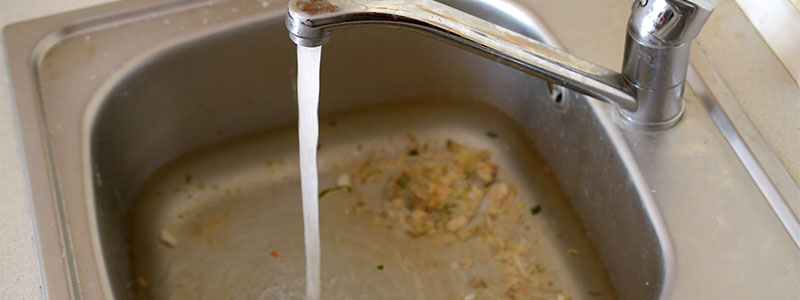
Understanding Why Kitchen Drains Back Up So Quickly
Kitchen drains collect more than just water, and over time this steady buildup creates blockages much faster than most people expect. Food particles, oils, and soap residue move through the pipes during daily use. However, these materials don’t travel cleanly. Instead, they settle on the walls of the pipe, and as a result the passageway becomes smaller day by day. Many homeowners only notice the problem once the sink starts draining slowly. In other words, the clog has already formed long before the first warning sign appears. Canadian Drains often sees this pattern in homes where cooking and cleaning happen frequently, because that constant flow makes buildup grow even faster.
The Hidden Role of Grease and Oil
Grease is one of the major reasons kitchen drains clog quickly, but many people underestimate how fast it hardens inside the plumbing. When grease is hot, it seems harmless and easy to rinse away. However, once it cools inside the pipes, it solidifies. Consequently, this creates a sticky layer that catches everything else passing through. Bits of pasta, rice, vegetable peels, and even dish soap bind to the hardened grease. That is to say, a clog starts forming long before any slow-drain symptoms show. Even small amounts poured down the drain each day build up rapidly. Canadian Drains often removes clogs that started from nothing more than repeated tiny grease deposits.
Food Particles That Swell and Expand
Some foods expand when exposed to water, and this is another reason kitchen drains clog faster than expected. Rice, pasta, bread, and similar foods absorb water and grow in size. As a result, even small leftovers washed into the drain can swell enough to block part of the pipe. On the other hand, fibrous foods like celery and onion skins get tangled and create nets that catch everything else. Many homeowners assume their drain can handle these scraps, especially if they have a garbage disposal. However, disposals only break food into smaller pieces, not into dissolvable material. Canadian Drains has found that these “small” particles often clump together deeper in the line.
Soap, Detergent, and Hard Water Buildup
Soap and detergent don’t simply wash away. Instead, they leave behind residue that sticks to the pipe’s interior. Meanwhile, homes with hard water experience mineral buildup at the same time. These two materials merge and form a gritty coating inside the drain. Subsequently, the coating grabs onto food, grease, and oils more easily. Over time the drain becomes narrow enough to cause slow movement or complete blockage. Canadian Drains frequently sees this issue in older homes or in areas with high mineral content in the water supply.
How Daily Habits Speed Up the Clogging Process
Small daily habits make a big difference. For instance, rinsing plates with food scraps still attached pushes a heavy load into the drain. Using too much dish soap can also increase residue inside the pipes. Likewise, running hot water alone doesn’t remove grease. It only moves the grease further down until it hardens again. Many people believe their drains clog due to one major event, but most clogs form slowly because of repeated actions. Canadian Drains helps homeowners understand that prevention begins with small habit changes rather than emergency fixes.
Preventing Kitchen Drain Clogs Before They Start
Good habits keep kitchen drains clear much longer, and they take only a few seconds to apply. Scrape plates into the trash before rinsing. Use sink strainers to catch food debris. In addition, avoid pouring grease into the drain at all; collect it in a container and throw it away once it cools. Once a week, pour boiling water down the drain to help break up soap residue. Above all, regular maintenance is the simplest way to avoid sudden backups. Canadian Drains also recommends occasional professional cleaning to remove buildup deep inside the pipes.
When You Should Call for Professional Help
Slow draining, gurgling sounds, and unpleasant odors are early signs of a forming clog. After that, the blockage can grow quickly and become much harder to remove. If plunging or hot water doesn’t help, it usually means the clog is farther down the line than homeowners can reach. At that point, calling professionals prevents further damage. Canadian Drains uses tools that break apart stubborn buildup without harming the plumbing. In conclusion, understanding how clogs form makes it easier for homeowners to act early and keep their kitchen drains flowing smoothly.