
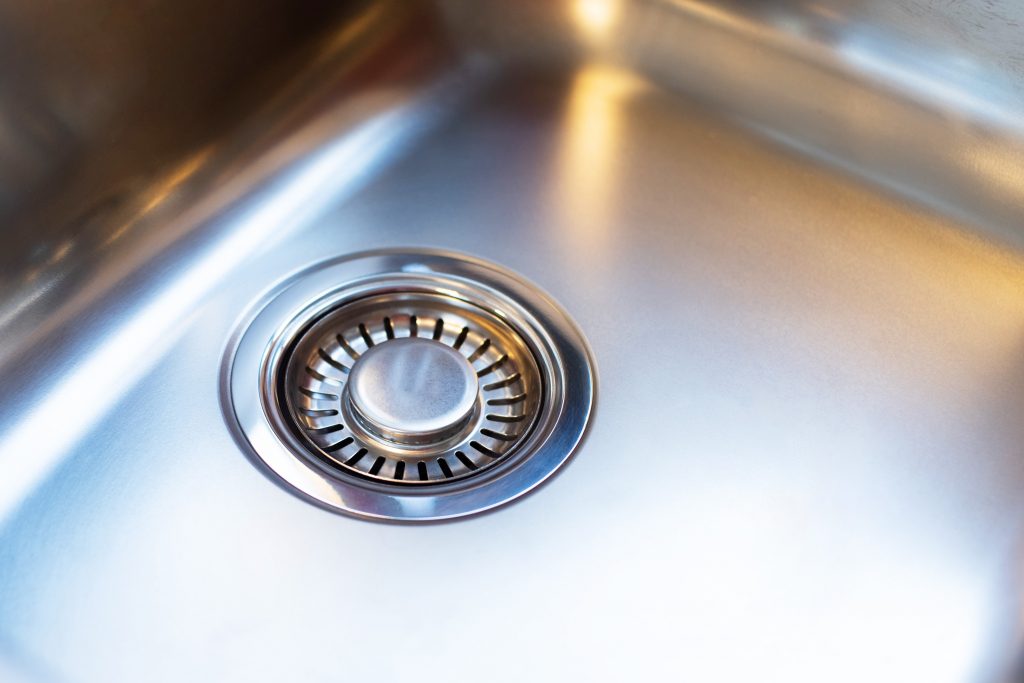
You scrub the sink. You run hot water. You pour in cleaner. The smell comes back by evening. This situation confuses homeowners — and it makes complete sense that it does. However, the odour rarely comes from the sink itself. Therefore, professional kitchen drain cleaning targets the actual source rather than the surface you can see.
Canadian Drains solves this problem for Calgary homeowners regularly. Here is exactly what causes that persistent smell and how to eliminate it.
The Smell Lives Inside the Pipe, Not the Sink
Wiping the sink basin removes surface grime only. The pipe beneath the drain accumulates grease, food particles, and bacteria over months. Consequently, that organic matter produces hydrogen sulfide gas — the compound responsible for rotten egg and sewage smells.
The P-trap holds water to block sewer gas from entering the home. However, that same P-trap also catches grease and food debris. Over time, the trapped material decomposes and creates odour even when the drain flows freely. Furthermore, bacteria multiply in that warm, moist environment continuously.
Common Culprits Hiding in Your Kitchen Drain
Grease is the most common offender. It coats pipe walls and traps food particles. Specifically, grease solidifies as it cools and creates a sticky layer that holds bacteria in place.
Food scraps — even tiny ones — fuel bacterial growth. Coffee grounds, rice, pasta, and vegetable peelings break down slowly. Moreover, they reach areas of the pipe where water flow doesn’t flush them through completely.
Dish soap residue contributes too. Soap scum builds up on grease layers. In addition, flavoured soaps and cleaning products that contain sugar or organic compounds feed bacterial colonies. The result is a persistent smell that returns hours after cleaning.
Why Boiling Water and Baking Soda Don’t Fix It
These methods work on fresh buildup only. They reach the top few centimetres of the drain and the P-trap. However, the real bacterial source often sits 60 centimetres or more down the pipe. Therefore, home remedies reduce the odour briefly but don’t eliminate the source.
Furthermore, boiling water can soften PVC pipe seals if used repeatedly. Hot tap water accomplishes the same flushing effect without the risk. Canadian Drains always recommends safe, pipe-friendly maintenance methods alongside professional service.
How Canadian Drains Eliminates the Smell for Good
Canadian Drains uses professional-grade equipment to reach every section of the drain line. Technicians physically remove grease and biofilm from pipe walls — not just dissolve surface debris. Consequently, the bacterial source disappears rather than just being pushed further down the line.
In some cases, the smell points to a deeper issue. A sewer camera inspection identifies whether a cracked pipe, a venting problem, or organic buildup further down the line causes the odour. This diagnostic step saves homeowners from repeated cleanings that never fully solve the problem.
Other Areas That Feed the Smell
Your kitchen drain shares a drainage system with every fixture in your home. Consequently, a partial blockage in another area can push sewer gas toward the kitchen. For example, slow drains in the bathroom contribute to pressure buildup in the shared line.
Canadian Drains recommends addressing all slow drains at once. Bathroom drain cleaning eliminates another potential source of shared-line pressure. Similarly, lint and detergent buildup in utility areas creates bacterial environments. Booking laundry drain cleaning alongside kitchen service prevents odours from migrating between rooms.
When the Smell Signals Something Serious
A faint drain odour after cooking is normal. However, a persistent sewage smell — especially one that appears in multiple rooms — signals a bigger problem. This can indicate a blocked or damaged main line that allows sewer gas to travel upward through the drain network.
In that case, main sewer line cleaning addresses the source directly. Canadian Drains technicians assess the entire system and recommend the right service based on what they find.
Simple Habits That Prevent Odour From Returning
After a professional cleaning, these habits keep your drain fresh:
Scrape plates thoroughly before rinsing dishes. This removes food particles before they reach the drain. Run cold water for 30 seconds after washing greasy pans. Cold water solidifies grease so it flows through the trap rather than sticking to walls. Pour a cup of white vinegar down the drain weekly. This neutralizes bacterial growth without harming pipes. Finally, avoid putting starchy foods, coffee grounds, or cooking oil down the drain entirely.
FAQ
Q: Why does my kitchen drain smell worse in summer? Warm temperatures speed up bacterial growth inside the pipe. Summer cooking increases food debris and grease entering the drain. The combination creates faster-forming and stronger odours. Canadian Drains recommends a professional cleaning before heavy-use summer months to get ahead of the problem.
Q: Can a smelly kitchen drain make my family sick? Hydrogen sulfide gas in small concentrations causes headaches and nausea. A persistent sewage smell in a living space deserves prompt attention. Canadian Drains eliminates the source rather than masking the odour, which is the only safe long-term solution.
Q: How do I know if the smell comes from my drain or my garbage disposal? Run water without using the disposal. If the smell continues, the drain line is the source. If the smell appears only after running the disposal, bacterial buildup inside the disposal unit is likely the cause. Canadian Drains can inspect both and advise accordingly.
Q: How long does kitchen drain cleaning take? A standard kitchen drain cleaning takes between 30 and 90 minutes. More extensive buildup or a camera inspection adds time. Canadian Drains always explains the full scope of work before starting and keeps you informed throughout the process.
Q: Does drain cleaning remove the smell permanently? Professional cleaning removes the current bacterial source completely. However, odours return if habits don’t change. Canadian Drains provides specific maintenance advice after every service visit so homeowners know exactly how to keep the drain fresh.